Kanye West, STAR WARS and the Future of Movies
How THE LIFE OF PABLO and the original STAR WARS trilogy are redefining the idea of finished creative work, and what it means for the future of cinema.
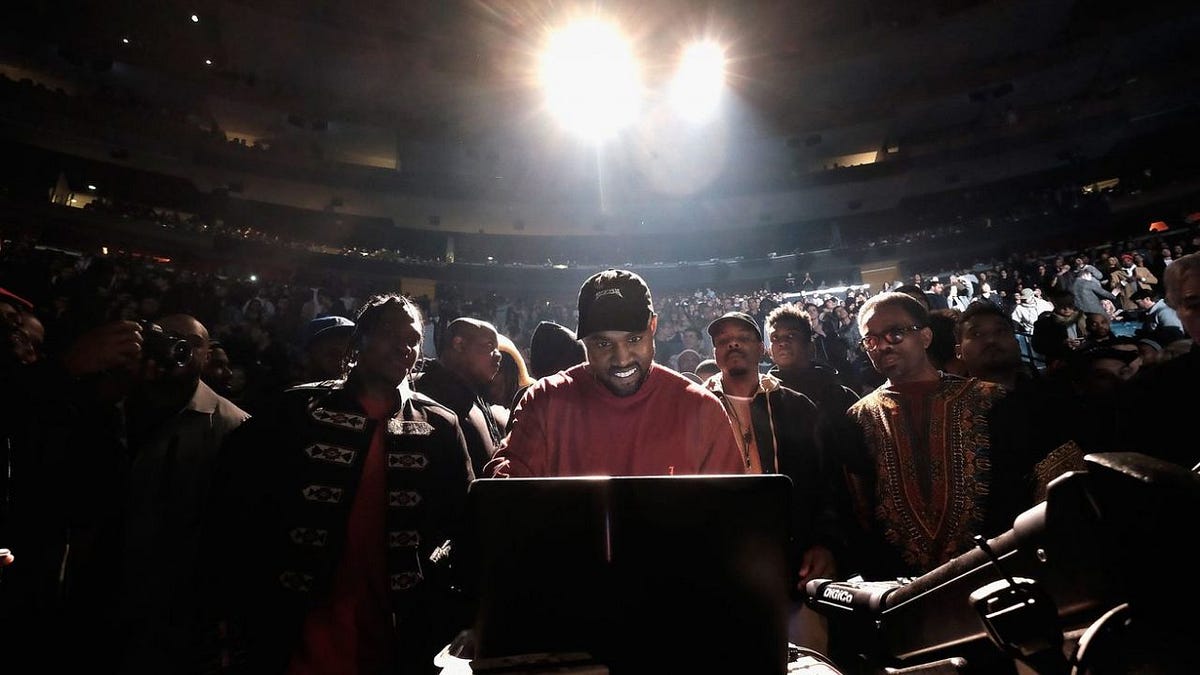
Last week two events crossed paths. Despite Kanye West’s promise that The Life of Pablo would “never never never be on Apple” and “it will never be for sale…” and “you can only get it on Tidal,” his eighth studio album landed on Apple Music, Google Play Music, Spotify, and kanyewest.com. That same week, Star Wars: The Force Awakens arrived on digital. The connection isn’t timing. It’s what both releases say about finished creative work, and about who gets to decide when something is done.
The album’s rollout was chaotic from the start. Beginning New Year’s Eve with a Nike diss track, Kanye spent six weeks announcing completion under different titles (SWISH, then WAVES, finally The Life of Pablo), hosting a fashion show debut, updating tracklists repeatedly, delaying release while blaming collaborators, announcing availability on SNL, and ultimately making it a TIDAL exclusive. The real moment came after release: he announced plans to revise “Wolves.” Kanye kept updating the album after it was out. Universal Music then issued a statement calling it “an innovative, continuous process” and positioning it as “a living, evolving art project.”
The move mirrors George Lucas’s notorious reworking of the original Star Wars trilogy through special editions. Lucas kept existing prints of the untouched trilogy under lock and reportedly confiscated surfacing reels. The National Film Registry was denied the original 1977 version for preservation. With 35 million VHS copies of the originals in circulation, Lucas bet on media degradation: “a hundred years from now the special editions will be the only version of the movie that anyone will remember.”
What’s changed is the format. With streaming and digital retail, filmmakers can replace central files without managing physical media. That makes Lucas’s approach available to anyone, and raises uglier questions about ownership and audience preference. Devoted fans could preserve “Despecialized Edition” versions; most audiences won’t have that option. Treating creative work like software, versioned and updateable, feels inevitable now. Lucas opened the door by tinkering. Kanye walked through it.
Have thoughts? ret@tinch.co
All posts →